
What’s on in the USA: a clear, practical guide for readers
A practical guide to finding what's on in the USA, with steps, tips, and warnings for staying informed and engaged across events, places, and listings.

Readers often want a reliable way to track events and happenings across the United States without wading through scattered sources. This guide offers a straightforward path: identify reliable feeds, use practical filters, and verify details before sharing or attending. By following these steps, you’ll know what’s on in the USA and how to judge what matters for your audience.
First, focus on trusted outlets that publish event calendars, venue announcements, and seasonal guides. Next, apply a simple set of checks to confirm dates, locations, and costs. Finally, learn the best ways to add local context so readers understand why an event matters now.
The guide progresses from basics to practical options, highlights common pitfalls, and ends with a concise checklist you can use day-to-day when reporting or planning coverage.
- Identify reliable event calendars and confirm details using official sources.
- Filter by region and date to surface relevant listings for readers.
- Provide clear, actionable summaries with practical next steps and a transparent verification process.
Getting oriented with reliable sources
Choosing dependable calendars
Start with recognized outlets that maintain public event calendars and publish updates promptly. Compare calendars from major outlets with local feeds to spot consistency and notice gaps. Look for explicit dates, venues, and ticketing notes to avoid ambiguous listings. Using what's on in the USA thoughtfully helps readers plan ahead and stay informed.
Next, assess the publication’s editorial standards: do they distinguish between confirmed events and rumors? A reliable site will label tentative events and provide official links. When in doubt, cross-check with the venue’s own announcements.
Finally, build a quick routine: check calendars weekly and snapshot changes you see. This keeps your coverage accurate and reduces the chance of reporting outdated information.
- Cross-check venues for consistency
- Note event status (confirmed vs. tentative)
- Record dates and city carefully
- Save official links for reference
Using feed filters
Set up simple filters by region, genre, and date range to narrow focus for readers. This helps you surface only what is timely and relevant in your area. Filters also reduce noise from generic entertainment listings.
For breaking events, enable alerts from trusted outlets so you can report quickly with accurate context. Always corroborate urgent updates with a second source before publishing.
Maintain a short backlog of verified events to fill gaps in slow news days. This ensures coverage remains steady and useful to readers planning ahead.
- Region and date filters
- Genre tags for clarity
- Alerts from trusted outlets
- Second-source verification
Evaluating what matters to readers

News relevance and impact
Ask whether an event affects a broad audience or a niche group. Large cultural festivals, major policy announcements, and safety advisories typically warrant coverage. Tie coverage to how it informs reader actions, like travel plans or local safety decisions. For ongoing updates, rely on USA news outlets that publish timely event information.
- Identify audience impact
- Provide actionable details
- Verify with official sources
Describe the scope of impact clearly: geographic reach, ticket availability, and potential disruptions. Include practical details readers can act on, such as where to find official tickets or what to expect at the venue.
Balance is key: include context from multiple perspectives without turning the piece into a debate. A factual, neutral frame helps readers form their own conclusions.
- Assess audience reach
- Explain geographic scope
- Provide practical next steps
- Cite official sources
Locating official announcements
Always start with venue or organizer channels for confirmations. Press releases, social posts from verified accounts, and venue calendars are reliable anchors. If several outlets publish the same date, compare wording for consistency to catch misprints.
Record essential details: date, time, location, admission rules, and accessibility notes. Note any changes as soon as you see them and flag discrepancies in your draft.
When information is incomplete, note what’s missing and what you’re still waiting to confirm. Transparency about gaps builds reader trust and reduces confirm errors.
- Check official channels
- Match multiple sources
- Document all key details
- Flag gaps transparently
Practical ways to present the information
Clear event summaries
Lead with the essential details: what, where, when, and why it matters. Use plain language and short sentences to aid quick scanning. Include one practical takeaway for readers planning to attend. A business directory in the USA can guide operators and readers to relevant listings.
Follow with context that helps readers decide whether to engage, such as anticipated attendance, ticketing options, and any safety notes. Keep options explicit so readers can compare easily.
End with a concrete call to action, such as where to buy tickets or how to verify changes. Avoid speculative language and keep it grounded in verified facts.
- Lead with essentials
- Provide quick context
- Offer a clear call to action
| Method | Pros | Cons |
|---|---|---|
| Direct venue listing | High accuracy on details | May miss smaller events |
| City-wide calendar | Broad coverage for readers | Can include tentative items |
| Newswire feed | Fast updates | Requires cross-checking |
Incorporating reader tips
Offer a short checklist readers can use when planning to attend events. This helps translate listings into actionable plans. Include reminders about accessibility, transportation, and weather considerations.
Provide a simple comparing grid for options with similar dates or venues. This supports readers who must choose between events. Be explicit about tradeoffs, such as price versus location convenience.
Close with a reminder to verify details again closer to the date. Information can shift, and timely confirmation protects you and your readers from last-minute surprises.
- Reader planning checklist
- Simple comparison grid
- Timely verification reminders
Overloading a piece with graphs or irrelevant stats can obscure the core message.
Handling pitfalls and risks
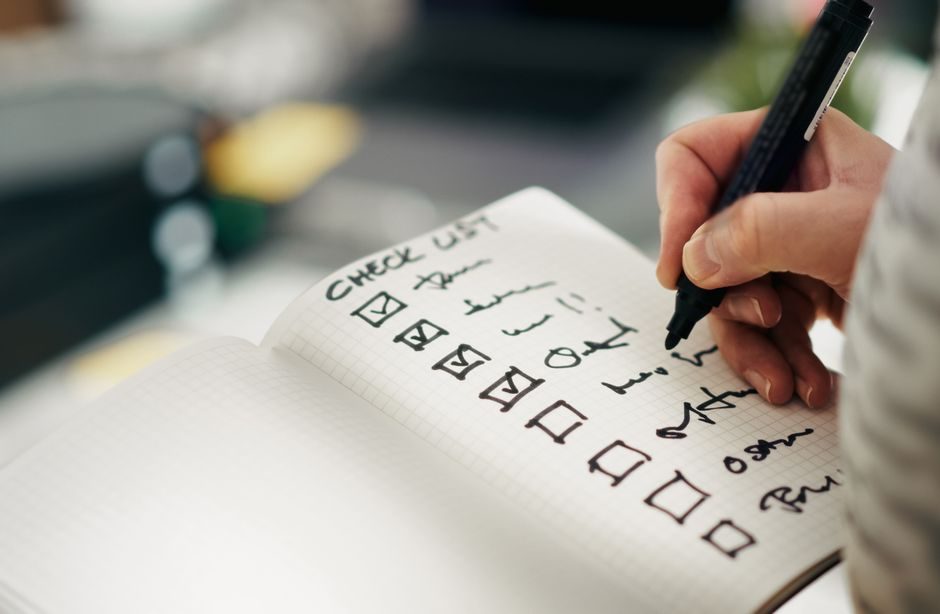
Common reporting mistakes
Relying on a single source is a frequent error. Cross-check with at least one independent outlet or the venue’s official page. This reduces the risk of publishing outdated or incorrect details. Local job listings in the USA are another practical resource when covering regional activity.
Assuming dates or venues won’t change without notice can mislead readers. Always note when information is tentative and monitor for updates. Communicate any changes promptly to preserve trust.
Overloading a piece with graphs or irrelevant stats can obscure the core message. Prioritize readability and actionable items for readers planning around an event.
- Avoid single-source reports
- Mark tentative information
- Prioritize clarity over clutter
Legal and ethical checks
Respect venue policies and privacy when including photos or attendee quotes. Obtain permissions where required and avoid sensational framing without consent. Clear sourcing supports credible reporting.
When covering protests or sensitive gatherings, present facts without framing that could inflame tensions. Provide balanced context and avoid taking sides.
Respect deadlines and avoid fabricating timelines. If you cannot confirm, delay or omit until verification is possible.
- Respect privacy and permissions
- Provide balanced context
- Never fabricate timelines
Source checks and verification
Checklist for credible sources
Start with multiple corroborating sources to verify a major claim. Cross-check dates and names across outlets to avoid misreporting. Prioritize outlets that show transparent methods and corrections when needed. place an obituary in the USA
- Relying on a single source; verify with at least one additional outlet.
- Ignoring corrections or retractions; check for updates.
- Assuming a piece is accurate based on tone or familiarity; seek corroboration.
Compare primary documents or official records when possible. Look for author bylines and editorial standards as signs of accountability. If something feels uncertain, set it aside until you can confirm it with at least one reliable source.
Reader engagement tools
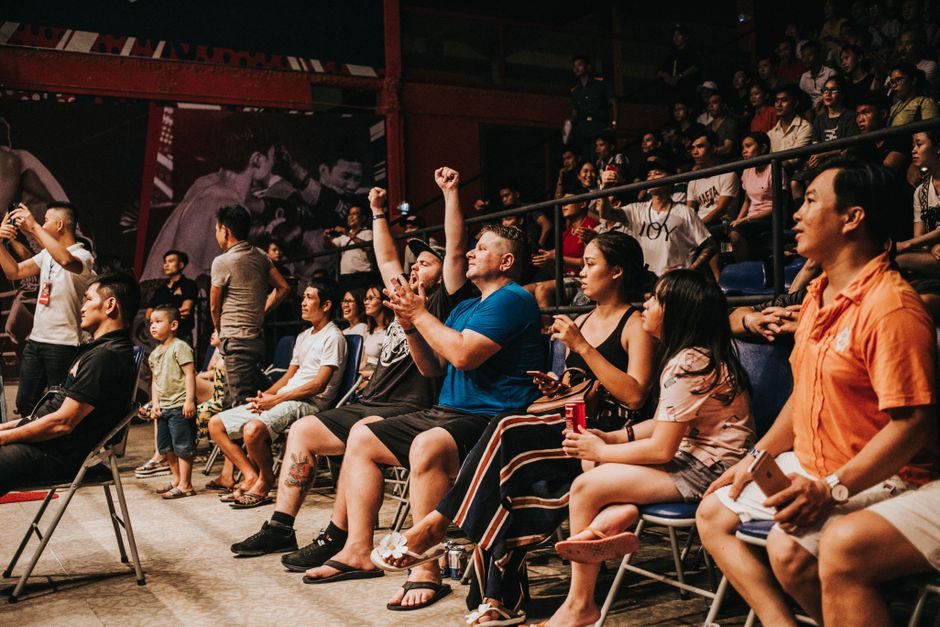
Ways to invite participation
Use clear calls to action that encourage comments or questions relevant to the topic. Provide context so readers understand how to contribute meaningfully. Monitor discussions to keep them informed and respectful.
Offer digestible formats such as bullet points, timelines, or maps to help readers scan and engage quickly. Include plain-language summaries for readers who skim headlines.
Balance prompts for debate with standards for accuracy; avoid sensational prompts that distort the issue.
- Clear prompts for reader input
- Plain-language summaries
- Moderation guidelines
Special event coverage
Planning for breaking coverage
Create a practical plan before an event begins: who covers what, what angles to pursue, and how updates will be shared. Establish a rapid check for facts as events unfold. Maintain transparency about what is still uncertain.
Use embedded timelines and eyewitness reports carefully to avoid sensationalism. Verify with official sources and on-site observations before publishing first notes.
After the event, publish a concise recap that distinguishes confirmed facts from unverified impressions.
- Assign clear beats
- Set verification steps
- Publish timely recaps
Seasonal highlights

What to cover by season
Outline major events that recur yearly, such as festivals, elections, or seasonal shifts in policy that affect readers. Explain why each event matters to audiences and how it could influence local or national news. Provide practical angles for reporters and readers alike.
- Clarify what makes each season newsworthy.
- Describe how readers can prepare for upcoming seasonal events.
- Note any recurring uncertainties that readers should track.
When covering seasonal topics, contextualize with historical patterns but avoid over-generalizations. Include timelines, expected impact, and practical tips for readers to engage or prepare.
End with a quick primer on where to find official calendars or reliable local sources for upcoming milestones.
- Seasonal calendars
- Practical reader tips
- Reliable calendars
- Local source lists
Frequently asked questions
How do I identify reliable news sources quickly?Look for outlets with transparent corrections policies, clearly attributed authors, and a track record of corroborating major claims across multiple outlets. When in doubt, compare at least two independent sources and check official statements.
What should I do if I encounter conflicting reports?Treat the earliest posts with caution and seek a second or third source before forming a conclusion. Note any discrepancies and favor information that sources agree on, while outlining what remains uncertain.
How can I participate without spreading misinformation?Share links to original reports, avoid paraphrasing sensitive details, and include context that clarifies what is known and unknown. If you can’t verify, don’t post a definitive claim.
Where can I find official calendars for events?Check government and agency websites, which publish schedules and deadlines. Local newspapers and civic organizations often reproduce calendars with notes on accessibility and coverage plans.
Next steps for readers and reporters
Readers can keep a watchful eye on how outlets verify claims and how corrections are handled. The practical next step is to compare multiple trusted sources during major events and note when updates occur.
Reporters should adopt a consistent verification workflow, document uncertainty clearly, and provide readers with practical ways to engage. The goal is steady, accurate coverage that helps audiences understand what matters most.

Add Blogging News as a preferred source on Google


