
What to know about used items for sale in the USA: a clear explainer
A practical explainer for readers on how to find, verify, and buy used items for sale in the USA, with safety tips and easy options.

What you need to know about buying used items in the United States starts with how to identify trustworthy sources and avoid common scams. This explainer lays out what to look for, how to verify listings, and what to expect from different platforms. It gives readers concrete steps they can take right away to make safer, smarter purchases.
Readers will learn where to start, what questions to ask, and how to compare listings so you don’t pay too much or miss red flags. The goal is to empower buyers with a simple framework that works across platforms and item types.
In the end, the process is about verifying provenance, confirming a fair price, and documenting the transaction so you have recourse if something goes wrong.
- Understand the main platforms where used items are posted and what each offers. Verify credibility with transparent communication and example checks. Compare listings by condition, price, and delivery, and use safe meeting or shipping practices.
- Ask for photos, proof of ownership, and maintenance history when possible. Use platform protections and document everything.
- Approach pricing with a data mindset: factor condition, delivery, and repairs into value. Negotiate calmly with clear justification.
Basics: what platforms offer used items
Platform types and access
Most buyers start with online marketplaces, local classifieds, and app-based swaps. Each platform has different posting norms, search filters, and safety features that affect how you shop. Understanding these differences helps you pick the right place for your item and budget. used items for sale in the USA
- Assuming photos show current condition
- Overlooking return policies
- Neglecting to ask for proof of ownership
Local options can include neighborhood groups and curbside listings where bargaining is common. National marketplaces offer broader inventories and dispute protections. Always check seller responsiveness and item condition before meeting.
Compare platform policies on refunds, return windows, and seller verification to avoid surprises after you commit to a purchase.
- Check buyer protection policies
- Look for verified seller badges
- Read recent seller reviews
- Filter by item condition
- Avoid ambiguous listings
Tips for safe shopping
Start with a clear plan for what you want and a price range to guide negotiations. Ask for multiple photos and a short video if possible to assess item condition. Meeting in a public place or using a tracked delivery service adds safety.
Verify the seller’s location and the item’s provenance before completing a transaction. Beware listings that seem too good to be true or request unusual payment methods.
Document conversations and keep receipts in case of disputes or misrepresentation.
- Request recent photos
- Ask for serial numbers where applicable
- Prefer in-person meetups in daylight
- Use traceable payment methods
- Keep a record of the exchange
How to compare listings quickly

Assess item condition
Start by inspecting photos closely for wear, damage, and missing parts. Ask if there are functional tests you can run. If possible, request recent maintenance history or receipts. Education NV online
- ☐ Search listings that match your criteria
- ☐ Request additional photos or video
- ☐ Compare price with similar items
- ☐ Decide to buy or walk away
Condition notes influence price, so be prepared to negotiate based on visible flaws and potential fixes. A slightly imperfect item with a fair price can still be a good deal.
If you’re unsure, seek a second opinion from a knowledgeable friend or a local repair shop that can estimate needed work.
- Look for clear defect notes
- Ask for serials or model numbers
- Check for original parts
- Request testing steps?
- Negotiate with factual defects
Verifying seller credibility
Credibility often shows in how quickly a seller replies and how complete their listing is. Look for detailed item descriptions, consistent photos, and a transparent asking price. Quick replies and a willingness to provide information build trust.
Cross-check seller identity when possible and review any available seller history or feedback on the platform. Skim for patterns of rapid price drops or vague histories.
If there is a dispute, use platform tools for mediation and keep all messages documented.
- Check profile completeness
- Read recent feedback
- Note consistent contact patterns
- Avoid money transfers outside platform
- Save all messages and receipts
What to know about pricing and value
Pricing dynamics
Used item prices reflect demand, rarity, and condition rather than a fixed market rate. Compare multiple listings to gauge a reasonable range. Don’t assume a discount is guaranteed for older models or popular items. advertise your event in the USA
- A common bike model may show a range of prices based on frame condition
- A used laptop may require a battery replacement that adds cost
- Furniture often sells faster when priced slightly below similar listings
High-demand items may fetch closer to new prices in rare cases, while niche items can be cheaper when inventories are slow.
Consider total cost, including delivery, fees, and any needed repairs when evaluating value.
- Compare several listings
- Factor in delivery costs
- Account for repairs
- Be wary of prices that seem off
- Look for patterns over time
| Method | Pros | Cons |
|---|---|---|
| In-person local swap | Hands-on checks, quick transfers | Limited hours, safety concerns |
| Online marketplace | Broad selection, buyer protections | Possible scams, fee costs |
| Goods from classifieds | Low pressure venues | Varying credibility |
Negotiation tactics
Lead with a factual baseline and justify your offer with observed flaws. Keep offers reasonable to avoid closing the door on negotiations. Be prepared to walk away if the price doesn’t reflect the item’s condition.
Use time pressure sparingly and avoid emotional language. A calm, data-based approach yields better results.
Document any agreed changes in writing or through the platform’s messaging tools.
- Start with a fair offer
- Cite specific defects
- Propose a short delay if needed
- Agree on what changes the price covers
- Confirm all details in writing
Some platforms charge upfront fees or processing costs, while others take a cut only after a sale.
Options for buying and selling
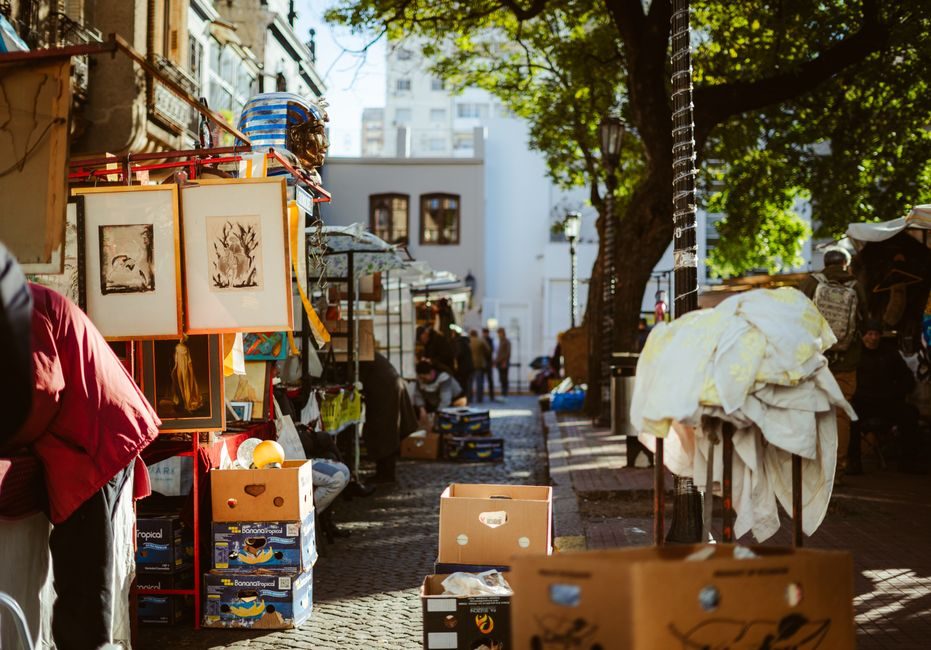
Choosing the right platform for you
Start by identifying what you want to buy or sell, and then compare platform types by user base and protection policies. Look for established marketplaces with clear dispute resolution processes and accessible seller ratings. If possible, test a small, low-value item first to gauge responsiveness and reliability. submit your business in the USA
Second, evaluate fees and payment options before listing or bidding. Some platforms charge upfront fees or processing costs, while others take a cut only after a sale. Favor sites that offer buyer and seller protections and straightforward refunds or returns.
Finally, consider regional reach and delivery options. National platforms may ship everywhere, while local apps enable in-person exchanges. Weigh convenience against the risk of mismatched item descriptions or delays.
- Compare protection policies
- Test a small item first
- Check delivery options
Common scams to watch for
Red flags in listings
Look for vague descriptions, missing photos, or stock-typical phrases that don’t match the item. Scammers often push quick payments or wire transfers. Always ask for recent photos and verify serial numbers where possible. death notices in the USA
- Avoid completing a deal outside official channels.
- Do not share sensitive personal information through chat.
Second, beware pressure tactics and oddly favorable prices. If a deal seems too good to be true, it probably is. Pause the transaction to cross-check details with the seller or platform support.
Finally, assess the payment method. Direct bank transfers or gift cards lack buyer protections. Use platform escrow or protected payment options and document conversations.
- Vague descriptions
- Pressure to pay
- Non-protected payment methods
Legal and safety basics
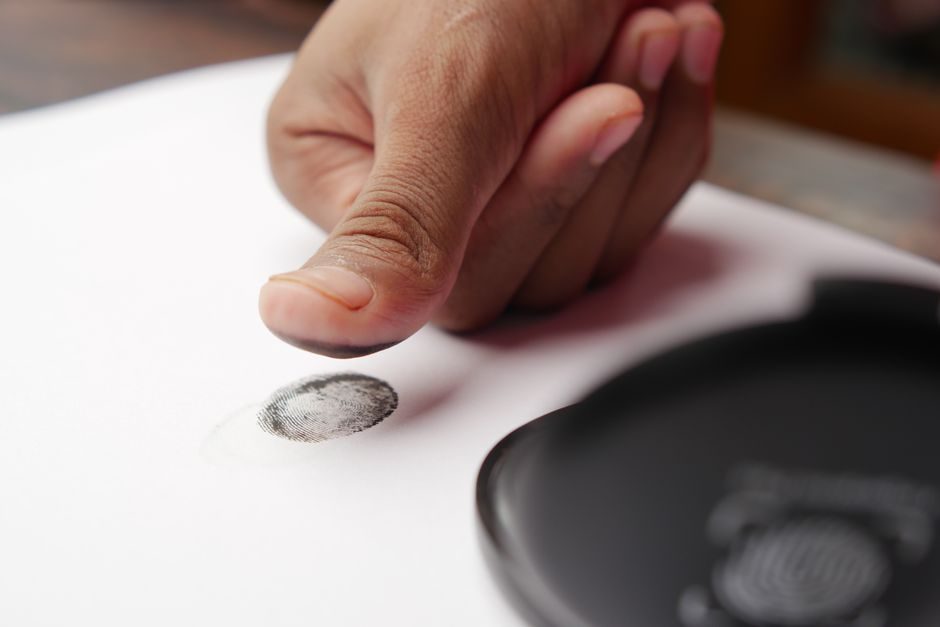
Identity and transaction safety
Verify seller identity when possible and use trusted platforms with built‑in verification. Avoid deals that require personal information to be shared outside the platform. In-person exchanges should take place in public, well-lit spaces. Bring a friend or use a designated meeting spot if available.
Second, document the item condition with photos and notes before handing over payment. If possible, sign a simple bill of sale and keep copies for your records. Know the platform’s dispute window and return policy.
Finally, understand basic consumer protections in your state. Some items may be covered by warranties or reciprocal seller protections, while others fall outside those rules.
- Verify identity
- Use public meeting spaces
- Document condition and sign a bill of sale
Practical tips for buyers and sellers
Getting listings right
Clear, accurate descriptions reduce back-and-forth and speed up the sale. Include measurements, model numbers, and clear photos from multiple angles. Mention any flaws and whether the item works as described to set realistic expectations.
Second, price realistically based on current value and condition. Check recent, similar listings and adjust for age, wear, and accessories. Avoid overpricing that leads to long negotiating queues.
Finally, respond promptly to inquiries and maintain polite, factual tone. Timely communication helps build trust and reduces misunderstandings.
- Provide complete specs
- Use multiple photos
- Be timely in responses
Frequently asked questions
Are there risks with buying used items online?Yes. Risks include inaccurate descriptions, non-delivery, and scams. Protect yourself by using platform buyer protections, requesting multiple photos, and keeping all communications within the platform. Inspect items upon delivery and report issues promptly.
How do I verify a seller’s identity?Look for verified seller badges on the platform, check seller ratings, and review recent transaction history. Ask for direct confirmation of ownership or receipts when possible, and be wary of sellers who avoid direct verification.
What payment method offers best protection?Protected payments through the platform balance convenience with safeguards. Avoid direct transfers or gift cards, and choose options that allow refunds or chargebacks if the item isn’t as described.
What should I do if a listing disappears?Check your saved listings and recent activity, then contact support to understand what happened. Do not assume it’s legitimate once a listing vanishes; seek a similar option or replacement through the platform.
Conclusion
Takeaways from this explainer include using trusted platforms with protections, keeping thorough records, and communicating clearly throughout the process. Start with local, well-documented listings to build confidence and develop a routine for verification.
A disciplined approach reduces risk and speeds up successful deals, while staying updated on platform rules helps buyers and sellers adapt to changes in the market.

Add Blogging News as a preferred source on Google


