
What to Do in Spain: A Practical Blogbookworld Checklist
Clear, practical steps for readers seeking reliable information on Spain. This guide covers basics, options, pitfalls, and tips for readers of a news site.

Readers ask what actually helps when planning or reacting to events in Spain. This guide answers with concrete steps, from basics to practical choices, geared toward news readers who want reliable, actionable information. You’ll find checklists, cautions, and real-world examples to prevent common missteps.
The article stays focused on practical, verifiable actions you can take, avoiding hype or assumptions. It emphasizes clear decisions, reasonable timelines, and sources you can check when covering Spain-related stories.
Each paragraph in this intro builds toward a usable result: a grounded, repeatable approach to gathering, understanding, and acting on information about Spain. It’s written for busy readers who need quick, accurate guidance you can apply today.
- This guide provides a practical, reader-focused checklist for covering or using information about Spain in a news context.
- Each section offers concrete steps, from basics to tips, with warnings about common misreads and pitfalls.
- The approach emphasizes verification, official sources, and clear, actionable guidance for readers and reporters.
- The final notes point to immediate actions you can take today to improve accuracy and efficiency.
Basics to know
Key regional differences
Start with the basics: Spain is diverse, with strong regional cultures and distinct languages. Understand what each region prioritizes in news coverage and public life. This awareness helps you interpret local reporting accurately and avoid misreadings. qué hacer en España is a practical phrase to learn when planning media coverage in Spain.
The next step is to map major regions to your topic, noting where economic activity or political power concentrates. This makes it easier to assess which sources are most relevant and trustworthy.
Finally, verify dates and contexts when events cross regional lines, since regional narratives can shape the same story differently.
- Identify regional hubs relevant to your topic
- Note language and governance differences
- Check who is delivering the information
- Watch for regional biases
- Track regional timelines
Reliable sources
Prioritize sources with transparent credentials and publication standards. Preference should go to outlets that publish corrections and clearly separate opinion from reporting.
Cross-check critical facts with at least two independent outlets. This reduces the chances of repeating errors from a single source.
When possible, use official stats or government portals as a baseline for numbers and timelines to anchor your reporting.
- Prefer outlets with clear corrections policy
- Use at least two independent verifications
- Consult official portals for data
- Note the date of the latest update
- Avoid anonymous quotes without context
How to gather facts

Interview tips
Prepare a short, factual list of questions and request permission to quote. Avoid leading questions that push a narrative. España noticias should be followed for ongoing updates and context in national reporting.
- Always ask for consent before recording.
- Send a brief fact-check note after interviews.
Record interviews when possible and summarize key points immediately after. This preserves accuracy and reduces misquotation.
Follow up with written confirmations of essential facts to lock in details.
- Draft precise questions
- Ask permission to quote
- Record conversations if allowed
- Confirm facts in writing
- Be mindful of legal constraints
Document checks
For on-the-ground reporting, verify location, time, and event scope with multiple sources. Check photos and timestamps for consistency.
Capture multiple perspectives to avoid single-source bias. Compare official statements with on-site observations.
Maintain a brief log of sources and dates to retrace your steps if needed.
- Cross-check locations with maps
- Corroborate statements with at least two sources
- Note dates and times meticulously
- Keep a running source log
Options for readers
How to access official information
Know the right portals for official data, such as statistical agencies and ministries. These sites often provide downloadable datasets and press releases. dar de alta tu negocio en España can be a key phrase for readers linking to official processes.
Learn the typical update cadence for government portals so you can time your checks effectively. This helps you avoid acting on outdated information.
When information is scarce, rely on primary documents such as acts, decrees, or court filings to ground your reporting.
- Identify key official portals
- Check update schedules
- Rely on primary documents when possible
- Note access restrictions or fees
| Method | Pros | Cons |
|---|---|---|
| Official data portals | Reliable data; primary documents | Access can be restricted; data formats vary |
| News conferences | Direct statements; timely | May be selective; context limited |
| Academic studies | Analytical depth; peer-reviewed | Time lag; not Spain-specific |
Understanding timelines
News about Spain often unfolds in stages: announcements, aftermath, and policy response. Track which stage a story is in to gauge credibility and urgency.
Different sources may report timelines differently; look for corroborating dates and official confirmations.
Avoid assuming a single timeline; report what is verifiable and clearly mark uncertainties.
- Map stages of a story
- Cross-check dates across sources
- Declare uncertainties in your reporting
- Update readers as new facts emerge
Be wary of sensational headlines; verify beyond the first paragraph and seek primary documents.
Pitfalls to avoid
Common misreads
Assuming national trends apply uniformly across regions leads to misinterpretation. Always test claims against regional data and context. ofertas de empleo en España helps readers find job opportunities while following local news.
- Avoid overgeneralizations across Spain’s diverse regions.
- Always corroborate sensational claims with primary data or official records.
Be wary of sensational headlines; verify beyond the first paragraph and seek primary documents.
Ignore anonymous sources unless they add essential context with verifiable details.
- Test regional relevance
- Verify before amplifying headlines
- Question anonymous tips without corroboration
- Rely on verifiable facts only
Legal considerations
Some information may be subject to privacy or defamation rules. Understand the basics: avoid repeating unverified personal data and respect court-imposed restraints.
When in doubt, paraphrase sensitive details and seek legal guidance for high-stakes stories.
Document the sources of any legal or regulatory claims to support accuracy.
- Respect privacy laws
- Paraphrase sensitive data
- Seek guidance for risky stories
- Cite official legal sources
Practical checklists
Critical arrival tasks
Prepare essential documents before travel, including passports and any required visas. Verify local emergency numbers and keep a digital copy of important IDs. Have a printed list of the places you plan to visit and any reservations to avoid delays. publicar una esquela en España
- Confirm hotel check-in time and location
- Download offline maps for the city
- Set up essential apps for transport and translation
- Note emergency contact details in a notebook
When arriving, confirm your accommodation address and transit options to the first destination. Carry a small tote with chargers, adapters, and a light jacket for variable weather. A simple, written plan reduces stress during the first hours in a new city.
- Keep digital backups of travel documents
- Carry local currency and a card that works abroad
- Schedule transitional rest periods on busy days
- Know the strongest signals for reliable internet
- Have a plan B for transportation
Verification steps
Confirming sources and timelines
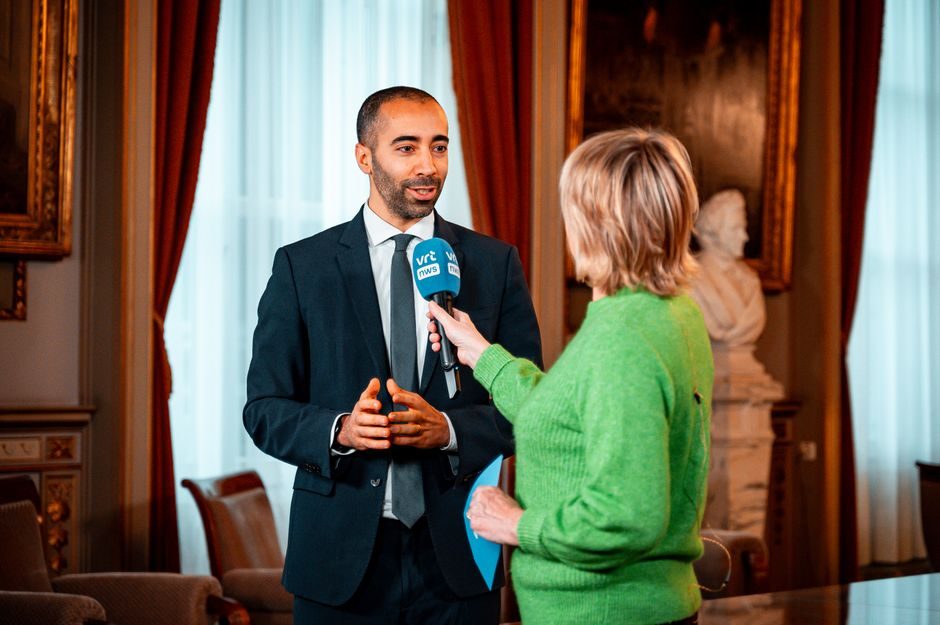
News readers expect accuracy, so verify facts with multiple sources whenever possible. Check publication dates and cross-reference with official statements or eyewitness accounts. Question inconsistencies and document the provenance of each detail.
In fast-moving stories, note what is confirmed versus what is still unclear. Use a clear chain of custody for sources and annotate any updates as they come in. A disciplined approach protects credibility.
When in doubt, pause the narrative to reassess sources and avoid guessing about outcomes or motives.
- Cross-check with at least two independent sources
- Record dates and locations precisely
- Highlight any contradictory information
- Avoid relying on anonymous claims without corroboration
- Update readers with verified changes
Reader resources
Curated briefing tools
Readers benefit from structured digests that separate headlines, context, and background. A good briefing highlights why a story matters, who is affected, and what to watch next. Use clear summaries to orient readers quickly.
Provide links to official statements, court filings, or municipal notices when relevant. Include a short glossary for terms readers may not know. This helps non-experts follow complex issues.
Offer tips for verifying information themselves, such as checking publication dates and seeking corroboration from independent outlets.
- Daily briefings with key context
- Glossaries for unfamiliar terms
- Direct links to official documents
- Tips for reader verification
- Guidance on spotting misinformation
Getting started now

Starting a factual reading routine
Begin with a daily news digest to build familiarity with how stories unfold. Set a fixed time to read, note evolving details, and track which outlets consistently verify information. Develop a habit of questioning what you read; ask who, what, where, why, and when. This habit improves comprehension and reduces reactionary interpretations.
Apply checklists to new topics, such as a basic source audit and a brief verification step before sharing.
- Choose one reliable source and stick to it for a week
- Create a simple source audit template
- Record at least two updates per major story
- Avoid sharing unverified claims
Frequently asked questions
How can readers quickly assess a breaking story?Start with the official statements and compare them with independent reporting. Look for consistency in the timeline and whether the core facts align across sources.
What makes a source credible?Credible sources provide verifiable, transparent information, minimize speculation, and disclose potential biases. Cross-check with multiple independent outlets when possible.
Should readers share unverified claims?No. Share only information that has been corroborated by reliable sources and avoid repeating anonymous or unverified material.
How often should readers review updates on a developing story?Check for updates at regular intervals, especially when new government statements or official records are released; update your notes accordingly.
Conclusion
Takeaways and next steps: Readers should adopt a practical routine that emphasizes verification, careful note-taking, and cautious sharing. Start today with a two-week plan to build steady habits for following Spain-related news.
The next step is to apply these practices to real stories, such as keeping a running log of updates, organizing official documents, and subscribing to a trusted briefing to stay informed.

Add Blogging News as a preferred source on Google


