
Publish local events in Edinburgh: a practical guide for readers
A practical, reader-focused guide for publishing local events in Edinburgh on a breaking-news site. Clear steps, pitfalls, and tips for accuracy and reach.

Editors want clear, concrete steps to publish local events in Edinburgh with accuracy and speed. This guide explains how to verify details, format notices, and coordinate with reporters so readers get reliable information fast.
If you’re adding events to a news site, you’ll learn which facts matter, how to standardize captions, and how to avoid common errors that confuse readers.
By the end, you’ll have a repeatable workflow for submitting, fact-checking, and posting Edinburgh events that fits newsroom standards and serves the public interest.
- This guide explains how to publish local events in Edinburgh with accuracy and speed, following newsroom standards.
- It covers verifying details, formatting notices, and updating readers when plans change.
- Readers will learn a repeatable workflow for submitting and posting Edinburgh events that serves the public interest.
Basics of event publishing
Confirm event details clearly
Begin with the essentials: who, what, where, when, and why. Double-check venue name, street address, and start time against a primary source. Note any cancellation or update as soon as you confirm it. publish local events in Edinburgh is a practical starting point for readers seeking timely, reliable notices.
- List the event in a single, clear line
- State the venue with full address
- Include a contact for updates
- Record the source of the information
Provide context that helps readers judge relevance, such as accessibility or admission requirements. A brief line about why the event matters to Edinburgh residents keeps coverage practical.
Avoid speculation about attendance or outcomes; stick to verifiable facts and standard phrasing so the piece remains trustworthy.
- Verify venue and start time
- Check accessibility details
- Note any changes promptly
Prepare a concise caption
Craft a one-sentence caption that complements the headline without repeating it. The caption should state the event type and date or season, and should not exceed a short clause.
Explain why the event matters to local readers in one line appended to the caption, if space allows.
Keep the caption free of hype and avoid promotional language.
- Describe event type
- Specify date or season
- Mention relevance to Edinburgh readers
How to format for publication

Use standard newsroom styles
Adopt a consistent event format: headline, deck, body with facts. Use the city name and date in the lede when possible. Align with the site's style guide to ensure uniformity across posts. Edinburgh Daily news can guide how local events are presented to ensure consistent reporting.
- Gather details from reliable sources
- Draft headline and lede
- Format per style guide
- Publish and monitor for updates
Keep sentences short and precise; avoid jargon that readers may not understand. Paragraphs should be directly about the event and its impact on the community.
Proofread for time, place, and spelling to prevent confusion and misinfo.
- Follow the style guide
- Use simple, direct sentences
- Check the lede for essential facts
Dealing with updates and corrections
Events can change; have a quick protocol to post corrections. Update the article if a venue changes location, time, or status.
Record the source of updates and timestamp the changes so readers know what changed and when.
When corrections are minor, note them succinctly to maintain reader trust.
- Track updates continuously
- Timestamp edits
- Communicate clearly about changes
Common risks and how to avoid them
Misinformation and typos
Misinformation damages credibility. Verify all facts with at least one independent source if possible. Run a final spell-check and read aloud to catch errors that disrupt flow. promote your business in Edinburgh should be balanced with informative event details to maintain credibility.
Keep a neutral tone and avoid speculation about attendance or outcomes. Misleading phrasing can misinform readers.
When uncertain, delay publication until facts are confirmed.
- Verify facts with sources
- Spell-check and proofread
- Avoid speculative language
| Option | Pros | Cons |
|---|---|---|
| Calendar listing | Broad reach | Potential clutter |
| Dedicated post | Clear focus | Requires confirmation |
| Live updates | Timely information | More coordination |
Coordination with reporters
Coordinate with desk reporters to confirm whether the event warrants on-site coverage. If a reporter can attend, note potential angles that serve public interest without bias.
Share clear deadlines for publishing and updating. This helps the newsroom manage a steady flow of local news.
Maintain a simple contact log so readers can reach the event organizer if details change.
- Set publication deadlines
- Share angles for coverage
- Maintain organizer contact log
Use a checker to ensure the event fits the site's audience and newsroom standards before filing.
Practical tips that save time
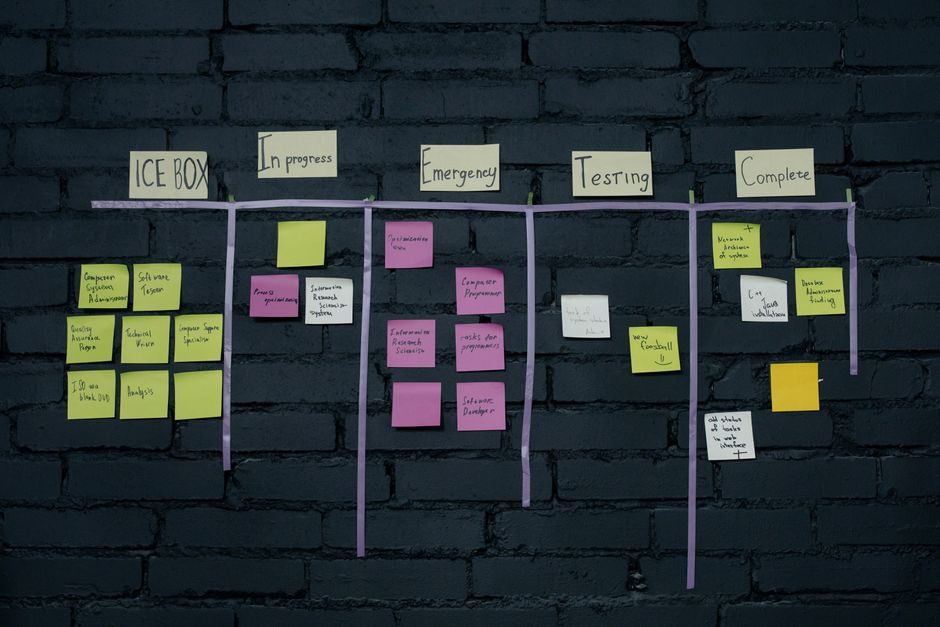
Templates and checklists
Create a reusable event template that collects venue, time, and key details in a pre-formatted field set. This minimizes missing data across posts. local job listings in Edinburgh benefit from clear, factual postings that help readers assess opportunities quickly.
Use a checker to ensure the event fits the site's audience and newsroom standards before filing.
Keep a short checklist for editors to review before posting.
- Use a consistent template
- Run a pre-publish checklist
- Review for audience fit
Speed without sacrificing accuracy
Publish when you have verified essential details, even if some non-critical information is pending. Provide updates as soon as they arrive to avoid stale stories.
Limit the initial post to verifiable facts and a link to more information, then expand later.
Balance urgency with accuracy to keep trust high.
- Publish core facts first
- Add updates promptly
- Offer reliable links
Expanded readership options
Broadening reach with local partners
Publishers should look beyond their own site to reach diverse readers. Partner with community organizations, schools, and cultural venues to cross-post events. This expands visibility for residents who follow different calendars and interests. publish a death notice in Edinburgh is a practical step for community record-keeping and local awareness.
- Collaborate with local groups to share event listings
- Create a consistent submission process for partners
- Review partnerships quarterly to keep content fresh
Coordinate a shared calendar that lists events from partner outlets, ensuring consistency in dates and locations. Offer a standard submission form to streamline intake and reduce errors. Review cycles should be short so edits are timely and accurate.
A practical example is a quarterly roundup that aggregates listings from libraries, museums, and neighborhood associations. Emphasize events with public-interest angles, like town-hall meetings or free workshops. Track engagement to adjust partnerships over time.
- Reach out to 3–5 local organizations each quarter
- Use a shared calendar with a simple submission form
- Publish a weekly or biweekly roundup
- Respect privacy and avoid sensitive events
Tailoring for niche communities
Not all readers want the same content, so tailor feeds by interest or geography. Use tags like arts, sport, or family-friendly to let readers filter the calendar. This improves relevance and engagement over time.
Highlight events that matter to specific groups, such as school fairs, farmers’ markets, or neighborhood cleanups. When a niche audience sees timely, local coverage, they’re more likely to return.
Offer a weekly digest that emphasizes events by community or interest. Measure open rates and click-throughs to refine topics and pacing.
- Create themed sections for arts, sports, and families
- Use clear tags and filters
- Publish weekly niche digests
- Monitor reader interactions to adapt
Engagement and social sharing

Encouraging reader participation
Encourage readers to submit their own events or tips. A simple form on the site lowers barriers to contribution and builds trust. Clear guidelines help avoid misposts and ensure quality.
When readers see their events published, engagement grows. Add a short note acknowledging contributors and offer optional contact for updates. This builds a sense of ownership and community.
Balance is key: avoid crowdsourcing for sensitive or private events unless consent is explicit. Moderation should focus on accuracy, date correctness, and location clarity.
- Invite submissions from readers
- Acknowledge contributors publicly
- Moderate for accuracy and consent
Maximizing social reach without clutter
A targeted social plan helps cut through noise. Share only the most relevant events on each platform and adapt formats to fit feeds and stories. Brief headlines and essential details work best.
Use native tools on each platform to boost visibility—tag venues, use location stories, and pin a calendar post. Track engagement to identify what types of events resonate most.
Avoid overposting; post frequency should reflect reader interest and platform norms. Update posts when event details change to prevent misinformation.
- Post selectively with platform-specific formats
- Tag venues and locations
- Pin key events to calendars
- Update any changes promptly
Local event calendars integration
Integrating with municipal calendars
Municipal calendars can be a cornerstone for local events. Align publication schedules with city or district calendars to avoid duplications and missed items. This helps readers trust the site as a reliable source.
- ☐ Coordinate feeds with local authorities
- ☐ Validate submissions before posting
- ☐ Be transparent about sourcing
Coordinate feeds so updates flow in near real time, reducing stale listings. Use a standard data format and validation rules to catch errors before publication.
Provide a clear note on the site about how events are sourced and reviewed, which supports transparency and accountability.
- Coordinate feeds with local authorities
- Use validation rules for submissions
- Publish sourcing notes for transparency
Cross-platform calendar tools
Offer export options (ICS, CSV) so readers can add events to personal calendars. This simple feature increases the likelihood that readers attend and remember events.
Support embedded widgets on partner sites, which helps maintain consistency across platforms. Ensure widgets reflect the latest event details and links back to the main listing.
Consider a mobile-friendly calendar view that allows quick scrolling through dates. A clean interface reduces friction for first-time visitors.
- Provide ICS/CSV exports
- Embed responsive widgets
- Offer mobile calendar view
Ethics and transparency in event reporting

Treat events with fairness and balance
Report events with equal attention to community groups, regardless of size or prestige. A fair calendar should reflect a broad spectrum of activities, from large festivals to neighborhood meetings.
Avoid favoring sponsors or advertisers; clearly label any paid content or partnerships. Readers should be able to distinguish independently gathered information from promotional material.
Keep captions and descriptions accurate and non-sensational. When details are incomplete, note missing information and publish a follow-up when it’s available.
- Balance coverage across groups
- Label paid content clearly
- Avoid sensational language
Disclosing sourcing and verification steps
Explain how events are sourced, whether via submissions, partner calendars, or third-party feeds. A transparent process helps readers evaluate reliability.
Describe the verification steps before publication, such as confirming dates and venues with organizers. If uncertainty exists, publish a note and offer updates as information becomes available.
Provide access to corrections and updates. Readers should see a straightforward path to request edits or flag issues.
- State sourcing methods
- Detail verification steps
- Offer a clear corrections policy
Frequently asked questions
What makes a local event suitable for publication?A suitable local event is verifiable, timely, and relevant to a broad or clearly defined audience. It should have a public venue, a date, and basic details readers can act on. If any element is missing, a note about the uncertainty helps maintain trust.
How should events be sourced and verified?Publishers typically rely on submissions, partner calendars, and direct outreach to organizers. Verification involves confirming time, place, and access details with the source. If information changes, publish a prompt update.
What about corrections and updates?Corrections should be prompt and clearly visible. A dedicated corrections note or a visible update on the listing signals that information has changed since publication.
How can readers participate without clutter?Reader submissions should be moderated to preserve quality and avoid duplication. Set clear rules about what kinds of events can be published and how to submit them.
Conclusion
Readers and editors can create a useful, trustworthy Edinburgh events calendar by sticking to verifiable details, transparent sourcing, and timely updates. The practical steps outlined here help ensure the calendar serves readers looking for reliable local information.
A disciplined approach—consistent labeling, audience-focused filtering, and prompt corrections—builds trust and encourages ongoing engagement. The next step is to implement the recommended checks and invite feedback from readers and organizers to improve the listings over time.
Add Blogging News as a preferred source on Google


