
ontwikkelingen vs Iran: what readers should know now
A clear, balanced guide linking trends in the Utrecht inner city to broad developments about Iran, with practical angles for news readers and a plain, reliable

What readers should know about ontwikkelingen in de Utrechtse binnenstad and how they connect to Iran is not a simple headline. This guide explains the basics, practical angles for follow-up reporting, and why both topics matter to a broad audience. It lays out foundations before moving into concrete considerations for readers seeking grounded, useful context.
The first step is understanding how local urban changes can reflect wider political or economic currents, even when the subjects seem unrelated. This article keeps to verifiable, plain terms and avoids hype. It offers concrete steps to evaluate sources, track developments, and compare different viewpoints.
Finally, this piece frames what to monitor next: indicators of policy shifts, planning decisions, and sources that provide balanced information. Readers will leave with a clearer sense of how to judge claims, where to find reliable data, and how to ask informed questions.
- This guide translates the question 'ontwikkelingen vs Iran' into actionable steps for readers of blogbookworld.com, focusing on how local urban changes intersect with international topics.
- Readers learn how to verify claims, compare sources, and spot misleading narratives.
- The article provides a practical framework for monitoring Utrecht inner-city developments and their conceivable connections to Iran-related policy and discourse.
Basics of the topic
Local change overview
Begin with a straightforward map of what is changing in the Utrecht inner city, including new buildings, streets, and public spaces. Describe who is affected, what goals planners cite, and how residents respond. This sets a concrete baseline for any broader discussion. ontwikkelingen in de Utrechtse binnenstad
- Note the scale of construction projects
- Identify the responsible authorities
- Track timelines and community input
- Compare with nearby areas
- Watch for funding sources
Relation to wider debates
The changes in Utrecht can echo broader debates about urban growth, housing, and transport. Explain how local decisions might reflect national or regional policy tensions. Provide specific, recent examples from public records without naming sources or individuals.
How the topic connects to Iran
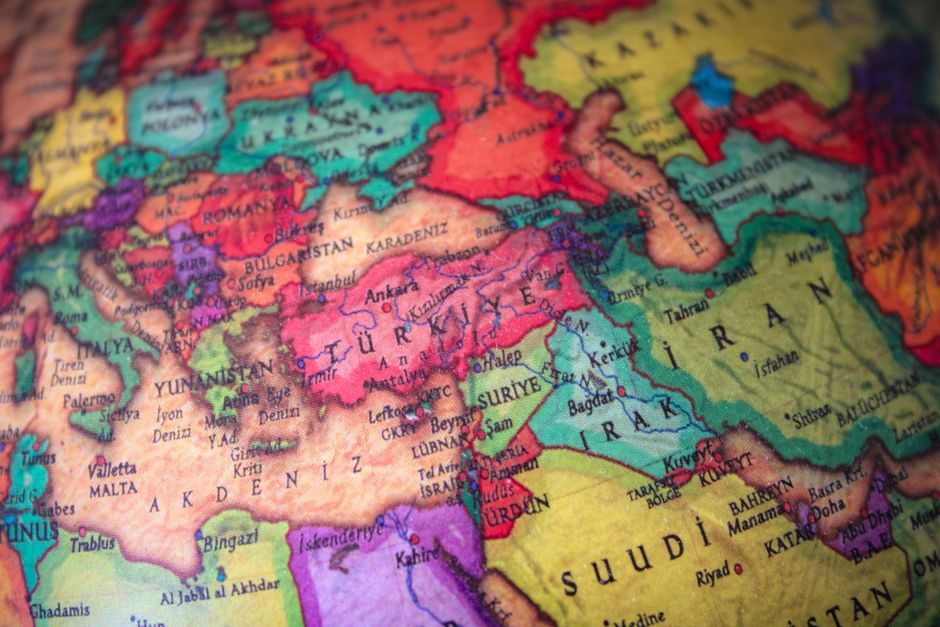
Geopolitical context
Outline the basic geopolitical factors that influence both urban policy in the Netherlands and international relations with Iran. Keep to verifiable, non-judgmental terms and avoid speculation. Focus on policy channels such as sanctions, trade restrictions, and international agreements that affect both domains. A useful resource on this topic: advocaat met toevoeging in Amsterdam.
- Understand the basic actors: states, blocs, and international institutions.
- Notice how economic policy can indirectly shape city planning decisions.
- Sanctions influence budgetary possibilities
- International law shapes both domestic policy
- Diplomatic channels color reporting
- Media coverage varies by source
Practical angles for reporting
Offer concrete steps for readers to follow when connecting Utrecht developments to Iran-related topics. Suggest comparing official planning documents with policy briefs, and checking for cross-border analyses in reputable outlets. Provide a checklist for evaluating sources and claims.
- Cross-check with official records
- Look for corroboration across independent outlets
- Note the absence of sensational language
- Record dates and locations of statements
Options for readers
What to monitor next
List a practical set of indicators readers can watch over the coming months. Include planning approvals, budget revisions, and public consultations to gauge momentum and public sentiment. This helps readers anticipate developments without speculation.
- Planning decisions to watch
- Budget changes to track
- Public reactions to proposals
- Upcoming hearings to attend
| Option | Pros | Cons |
|---|---|---|
| Official records | Reliable, traceable | May be slower to publish |
| Independent analysis | Broader context | Varies in quality |
| Media reporting | Accessible, timely | Potential bias |
How to compare sources
Explain a method for comparing official statements, expert analyses, and local reporting. Emphasize consistency, check for contradictory claims, and record where each claim originated. This builds reader confidence in what they read.
- Source provenance matters
- Look for corroboration
- Be cautious of single-source stories
Identify frequent errors in reporting on complex topics: over-simplification, cherry-picked data, and conflating separate issues.
Pitfalls to avoid

Common traps
Identify frequent errors in reporting on complex topics: over-simplification, cherry-picked data, and conflating separate issues. Explain why these mistakes distort understanding and how to prevent them with better sourcing.
- Avoid single-source claims
- Be wary of outdated numbers
- Question causal links
- Separate policy areas clearly
Red flags for readers
Show readers how to spot misleading narratives, such as dramatic language or unexplained shifts in stance. Recommend pausing to verify unusual claims and seeking multiple perspectives.
- Watch sensational headlines
- Check dates of quotes
- Seek multiple sources over time
Ethics in reporting
Veracity and accountability
Reporters should verify facts across multiple sources before publishing, especially when discussing complex international topics. Clear attribution helps readers understand where information originates and what remains uncertain. When in doubt, describe the limit of your sourcing rather than guessing at unattested details.
Verification reduces the risk of misinformation that can escalate tensions or mislead readers about a developing issue. Include how corrections will be handled and encourage readers to flag potential errors. This transparency builds trust over time.
- Cross-check key claims with at least two independent sources
- State any limitations of the information
- Provide clear attribution for quotes and data
- Issue corrections promptly when errors are found
Data transparency

Source clarity in numbers
Disclosures about data sources help readers gauge reliability, especially for numbers related to international topics. Explain where figures come from, who funded the data, and what methods were used to collect it. When figures are estimates, state the method and potential margin of error.
- List primary data sources used.
- Summarize how data was gathered and any caveats.
Users benefit from a plain-language summary of the data alongside the original sources. This reduces misinterpretation and allows readers to assess relevance to their own context. Consistency in presenting figures helps readers track changes over time.
- Identify primary and secondary sources
- Describe data collection methods
- Note any limitations or uncertainties
- Provide direct links to sources and datasets
Public engagement
Audience-inclusive reporting
Public engagement means inviting diverse voices into the conversation without compromising accuracy. Include perspectives from communities affected by the developments in Utrechtse binnenstad or related topics, and explain why these views matter for the broader audience. Aim for balanced representation and careful moderation of comments.
This approach helps readers understand real-world impacts and avoids echo chambers. It also strengthens community trust when editors demonstrate openness to constructive feedback and criticism. Clear guidelines for participation prevent misinformation from spreading through comments.
- Invite local voices and experts
- Explain why different viewpoints matter
- Moderate discussions to maintain civility
- Link to verified follow‑ups and updates
Global context
Broader international links
Context matters: events in one region can affect others in unexpected ways. Explain the connections between developments in the Utrechtse binnenstad and international diplomacy, trade, or security narratives. Use concise illustrations or timelines to show how events influence readers beyond local boundaries.
Provide readers with frameworks to assess international relevance, such as how sanctions, migration, or media coverage shape local reporting. This helps prevent two-dimensional journalism and promotes informed readers. Include caveats about rapidly changing information while preserving core explanations.
- Draw connections to international agreements
- Explain potential impacts on local readers
- Use simple visuals or timelines
- Cite international experts or analyses when possible
Frequently asked questions
How does this topic connect Utrechtse binnenstad to global events?The article explains potential links between local developments and international dynamics, such as how security, migration, or economic trends can influence city planning and public discourse. It provides readers with a framework to assess relevance rather than asserting direct causation. Readers can examine the indicators and note where relationships are speculative.
What makes data sources trustworthy in this context?Trustworthy sources are clearly attributed, have transparent methodologies, and offer accessible underlying data. The piece distinguishes between primary documents, official statistics, and expert analyses, and notes any limitations. Readers are guided to cross-check facts through the cited materials to form their own judgments.
How can readers participate in the discussion without spreading misinformation?Readers are encouraged to engage civilly, cite sources when commenting, and avoid repeating unverified claims. Editor-approved moderation helps keep conversations productive. If a reader spots an error, they can flag it for correction, which maintains the accuracy of ongoing coverage.
What should readers do to verify coverage themselves?Start with the cited sources, check the date and context, and compare with other reputable outlets. Look for direct quotes and confirm whether they reflect the source material. The article also provides links to datasets and official documents for independent review.
Practical next steps for readers
Clear, ethical reporting about developments in Utrechtse binnenstad helps readers understand broader implications and informed decision‑making. The next step is for readers to use the provided sources to test claims and seek clarifications from editors if anything remains unclear.
The ongoing duty for readers is to stay engaged with updates, assess new data critically, and participate respectfully in public dialogue to foster a well-informed community.

Add Blogging News as a preferred source on Google


