
How to use used items for sale in the USA responsibly
A practical guide for readers to find and evaluate used items for sale in the USA, with safety tips, smart searches, and realistic pitfalls.

For readers seeking reliable ways to find used items for sale in the USA, this guide lays out practical steps that work in real markets. You’ll learn how to identify trustworthy listings, verify item condition, and avoid common scams. The goal is to help you make informed purchases without overpaying or taking unnecessary risks.
You’ll discover practical tools and habits that improve your search results, from narrowing by location to setting budget bands and checking item histories. The approach is methodical: start with where to look, then how to ask the right questions, and finally how to inspect or arrange delivery.
By the end, you’ll have a clear process for evaluating listings, comparing options, and documenting your choices for future reference.
- Find listings on reputable platforms, compare item condition, and verify details before buying.
- Test the item on-site if possible, or request a live demonstration; use a safe, walk-away approach if anything seems off.
- Negotiate price with concrete observations of wear, and arrange safe pickup or delivery confirmed in writing.
Basics of finding listings
Where to search effectively
Start with reputable platforms that focus on used items and local listings. Look for clear photos, detailed descriptions, and seller verification signals. Narrow results by city or neighborhood to reduce time wasted on distant offers. used items for sale in the USA is a term you’ll see across local listings and marketplaces.
Ask for item history and maintenance records where possible, and compare similar items to gauge typical condition. If a listing sounds vague or rushed, proceed with caution and seek more information.
Be mindful of timing: weekends often yield more listings, and early in the day can mean fresher stock. Use filters to prioritize items that match your needs and budget.
- Use search filters to set max price
- Check seller ratings or reviews
- Ask for recent photos
- Request measurements or model numbers
- Avoid listings with missing photos
Evaluating safety and trust
Trust is built through clear communication and verifiable details. Prefer listings that provide contact information and a reasonable response time from the seller. Compare responses across multiple listings to spot inconsistencies.
Be cautious with deliveries or meet-ups: meet in public places during daylight, bring a friend if possible, and have a plan to inspect the item before transferring funds.
Document your exchanges with a note of what was agreed, including price, pickup time, and payment method, to avoid disputes later.
- Check for seller contact options
- Prefer in-person meetings in public spaces
- Inspect before paying
- Keep a simple written record
- Avoid sharing sensitive data
How to assess item condition

What to inspect first
Begin with the item's essential function: does it operate, turn on, or perform its basic purpose? Look for obvious damage and verify accessories are complete. Business Briefer USA is a section that readers will encounter when looking for concise briefs and updates.
Check for non-visible issues by asking about history: repairs, replacements, or parts replaced. Compare to new equivalents to gauge wear.
Note any cosmetic flaws and consider whether they affect functionality or value. Small dents may be acceptable, large ones usually are not.
- Test power and functions
- Ask for original packaging or manuals
- Look for missing parts
- Compare with similar items
- Assess potential maintenance costs
Negotiating a fair price
Start with a reasonable target based on condition and market value. Present your offer calmly and explain specific deductions for flaws you found.
Be prepared to walk away if the seller won’t meet essential terms or if there are red flags. A firm stance often yields better results than a vague negotiation.
Agree on a clear payment method and pickup plan to avoid last-minute changes that complicate the deal.
- Know your max price
- Point out exact flaws that justify a discount
- Suggest a firm pickup time
- Confirm return policy where possible
- Document the final price in writing
What to do before buying
Safety checks before payment
Only pay after you verify the item; avoid upfront deposits for unseen items. Use a traceable payment method to leave a record. community events in the USA often shape local listing trends and seller activity, so these events matter for timing and pricing.
Meet during daylight and in a safe place, ideally with another person nearby. Bring a charger or power source to test electronics if allowed.
Ask the seller to demonstrate the item’s main functionality or share a short video to confirm operation.
- Never pay in full before pickup
- Test electronics on site
- Request a demo video
- Keep receipts and messages
- Verify seller identity
| Method | Pros | Cons |
|---|---|---|
| In-person demo | Immediate verification | Limited by seller availability |
| Video demonstration | Good for electronics | Not always comprehensive |
| Written notes | Clear record | Relies on seller honesty |
Delivery and pickup options
For bulky items, arrange a local pickup with a clear plan for loading and transport. If delivery is offered, confirm who bears the risk during transit and inspect on delivery.
Consider using a paid escrow or holding service for high-value purchases to protect both parties from fraud. Read the service terms before agreeing.
Keep documentation of the pickup condition and any agreed warranties, even if informal.
- Plan loading logistics
- Clarify who pays delivery
- Use a safe payment window
- Document delivery condition
- Ask about returns or refunds
Requests for unusual payment methods or pressure to complete the transfer quickly are warning signs.
Potential pitfalls and warnings
Common red flags
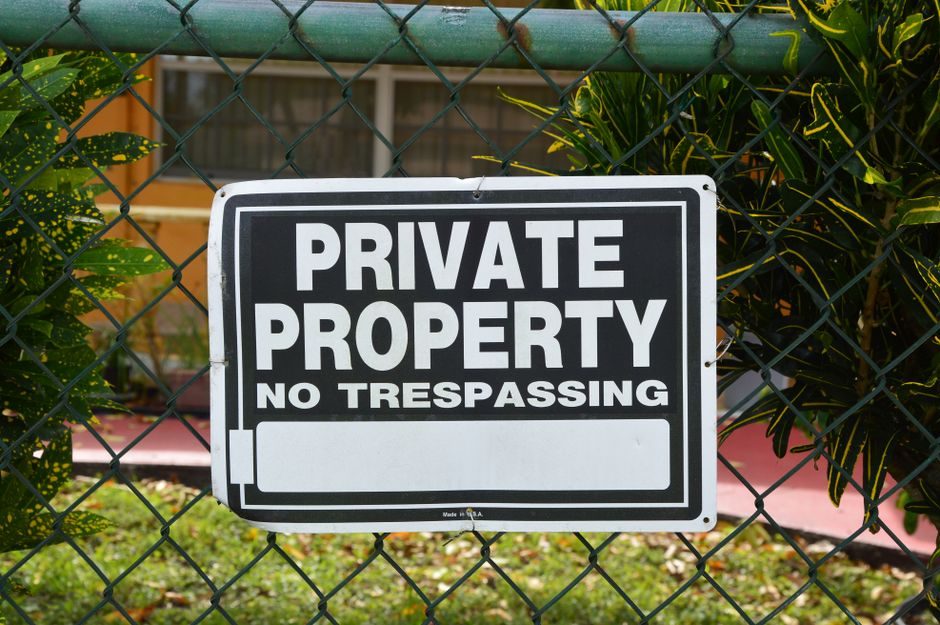
Listings that lack photos or have vague descriptions often conceal issues. Be wary of unusually low prices for high-demand items and sellers who avoid contact outside the platform. add your business listing in the USA can help sellers connect with buyers and improve visibility for local deals.
Requests for unusual payment methods or pressure to complete the transfer quickly are warning signs. If the deal feels rushed, pause and reassess.
Spot counterfeit or misrepresented items by testing for authenticity and asking for serial numbers or origin details when appropriate.
- Missing or blurred photos
- Pressure to close quickly
- Unusual payment requests
- Lack of transferable warranties
- Suspicious origin or branding
Legal and policy considerations
Know local rules about selling secondhand goods, especially for electronics or hazardous items. Some jurisdictions require certain disclosures or restrictions on online sales.
Be aware of consumer protection resources that can help if a listing turns out to be fraudulent or misleading. Use official channels to report scams.
Keep records of correspondence and the item’s origin to support any complaints or disputes.
- Understand local laws
- Know consumer protection resources
- Keep written records
- Avoid illegal transactions
- Report scams promptly
Options for where to buy used items
Online marketplaces and apps
Online marketplaces offer a wide range of used items with search filters that help you compare prices and conditions. Look for items with clear photos and detailed descriptions, and favor listings that include measurements or exact models. Always read seller notes about wear, fixes, and return policies to set realistic expectations. obituaries in the USA
Evaluate seller reliability by checking completeness of the listing and any seller ratings, while avoiding listings with vague descriptions or evasive wording. When possible, message the seller with specific questions about the item’s history and current condition. Use built-in payment protections and keep all communications in the platform for record-keeping.
- Ask about provenance and last use
- Request close-up photos of wear
- Confirm return options if not as described
- Check whether shipping costs are included
Community value and listings

Neighborhood exchanges and local listings
Local listings foster community by connecting neighbors who want to recycle goods rather than discard them. These exchanges often include furniture drives or school fundraisers, making every purchase a small civic contribution. Focus on items suitable for your space to reduce impulse buys and waste.
Engage with listing descriptions that reflect item care and usage patterns, not just aesthetics. Meeting the seller in a public place or coordinating a safe pickup can improve trust. Document the pickup with photos and notes to avoid later disputes.
- Attend local swap events
- Follow community bulletin boards
- Support charitable drives
- Preface meetings with safety reminders
How to verify authenticity and avoid scams
Red flags and verification steps
Careful inspection is essential when authenticity matters, such as for collectibles or branded items. Look for consistency in branding, serial numbers, and workmanship, while noting that fakes can mimic high quality. If in doubt, request independent appraisals or documentation of provenance before purchase.
Cross-check item details against reputable sources and compare with similar listings. Ask for close-up photos of labels, stamps, and packaging, and test obvious features like weight or function. If a price seems too good to be true, reassess the listing and consider walking away.
- Request receipts or certificates
- Compare serial numbers with official databases
- Ask for original packaging when available
- Test basic functions before handing over payment
Long-term tips for smart shopping
Budgeting and maintenance planning
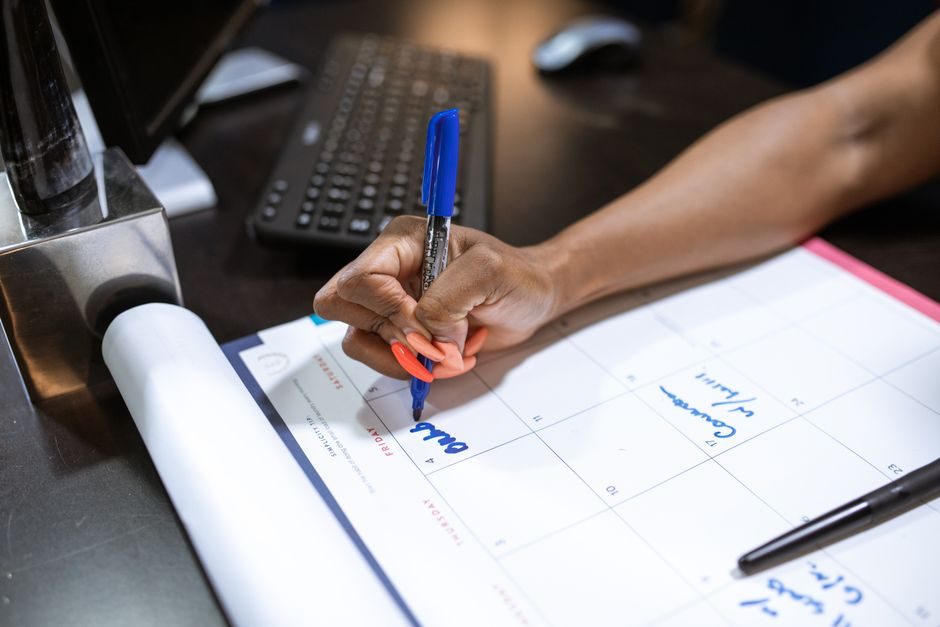
Set a realistic budget for each category of items you routinely buy used, so you don’t overspend on impulse. Prioritize items with clear maintenance needs and plan for foreseeable upkeep, like a used appliance that may require servicing. A simple maintenance calendar helps prevent future surprises.
Keep records of what you buy and its expected lifespan. Note any repairs you perform, which can guide future purchases and resale value. When evaluating a listing, balance upfront cost with potential long-term costs such as shipping, parts, or refurbishment.
- Create a purchase limit per month
- Track item condition and repair history
- Ask about return eligibility and warranty status
- Plan for safe storage and transport
Frequently asked questions
Can I trust listings from a private individual as much as a store?Private listings can be legitimate and save money, but they require more diligence. Verify item history with the seller, ask for detailed photos, and meet in a safe, public location. If a listing feels rushed or vague, consider walking away. Use platform protections whenever possible to preserve a paper trail.
What should I do if an item arrives damaged or not as described?Document the condition with clear photos as soon as you receive it. Communicate the discrepancy to the seller promptly and use the platform’s dispute process if available. If the seller resists, you may need to contact consumer protection channels or consider a chargeback through your payment method.
Are there risks with large items like furniture or appliances?Large used items can have hidden issues. Inspect structurally, check for pests, and ask about prior repairs. Arrange in-person viewing before committing, and confirm transport arrangements and access to power or water if needed.
How can I stay safe during in-person pickups?Meet in busy, well-lit public places when possible. Bring a friend or share your plan with someone you trust. Inspect the item before exchanging payment, and use cashless methods that provide a receipt. Trust your instincts if anything feels off.
Next steps for responsible shopping
Armed with a clear plan, you can find usable items without overpaying or wasting resources. The key is to match your needs with reliable listings and safe buying practices, while respecting community norms.
Take a moment to summarize what you need, decide on a budget, and choose one or two trusted sources to begin. Then test a small, inexpensive purchase to build confidence before expanding your focus to bigger items. By keeping records and staying mindful of condition and provenance, you’ll shop smarter over time.

Add Blogging News as a preferred source on Google


