
How to place an obituary in Duxbury via Washington Post-style guidance
Step-by-step guide for readers in Duxbury seeking obituary placement; practical options, pitfalls to avoid, and how to verify listings without relying on guessw

Readers in Duxbury who want to place an obituary will find a clear, practical path through local and national channels. This guide explains how to approach an obituary notice, what to expect from major outlets, and how to verify listings. You’ll learn concrete steps to submit, what information to prepare, and common refusals or delays to anticipate.
Understanding the mechanics of obituary notices helps reporters and families alike. You’ll gain a sense of timing, entry options, and how to frame the notice for readers who rely on local coverage. The aim is to present reliable routes that fit different budgets and timelines.
This article keeps the focus on news readers who need dependable, verifiable advice. It avoids hype and sticks to concrete steps, practical tips, and realistic expectations for placing an obituary in prominent formats.
- This guide walks you through placing an obituary in a Duxbury context, including local options and broader routes.
- It covers gathering essential details, choosing outlets, and submitting correctly to minimize delays.
- It also flags common mistakes and practical tips to ensure accuracy and timely publication.
Basics of obituary placement
Understanding notice types
Begin with the most common formats: brief death notices posted by families and longer paid obituaries written by funeral homes. These choices affect visibility, length, and tone. Most readers expect factual information presented clearly, without embellishment. L1: You can place an obituary in Duxbury through local papers that serve the town.
- Skipping deadline checks leads to delays
- Omitting key names or locations confuses readers
- Using unfamiliar abbreviations makes notices terse
Examples include standard notices that list name, age, and date of death, followed by surviving relatives. This is a baseline that news audiences recognize easily. Consider whether a longer tribute or a brief locator notice serves your needs best.
Brevity can aid clarity; longer notices allow more context about life and achievements. Decide what the obituary should convey to the community in a single, readable paragraph.
- Choose a notice type early to align with deadlines
- Prepare essential facts: full name, age, death date
- Decide on survivors and closing lines
- Coordinate with funeral home or newspaper
Choosing the right outlet
Local papers often have the quickest and most affordable options for community notices. National outlets may offer broader reach but come with tighter formats and higher costs. Evaluate who needs to see the obituary to guide where you publish.
Contact the publication’s obituary desk to confirm accepted formats and word limits. Ask about specialized sections for community notices if that serves your needs. Think about whether readers in Duxbury will be the primary audience or if a broader circulation is desired.
Consider timing requirements and potential rush fees. Some outlets publish online quickly but require longer approval processes for print editions.
- Evaluate reach versus cost
- Ask about deadlines and formats
- Check whether an online version is included
- Understand print vs digital timing
How to submit an obituary
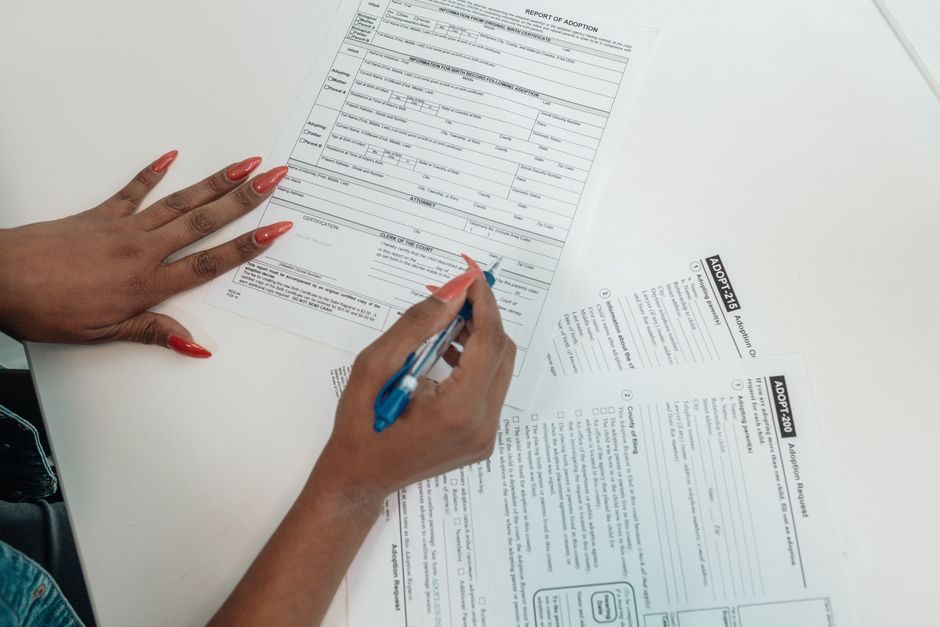
Gather required details
Collect basic biographical data: full name, age, date of death, and next of kin. Include surviving relatives and any predeceased family members. This information helps editors craft a respectful, accurate notice.
Prepare a brief biographical note about the deceased’s life and community ties. Include affiliations, work, military service, or volunteer work if relevant. Aim for a concise but informative summary.
Verify spellings of all names and places; accuracy prevents post-publication corrections. Have a contact person ready for any follow-up questions editors may have.
- Name and age exactness
- Death date and place
- Survivors and services
- Preferred contact for edits
Submitting and following up
Submit through the publication’s designated channel, whether online, by email, or by mail. Include all required documents, such as a death certificate or funeral home details if requested. Expect an approval stage before publication.
After submission, monitor for confirmation and any requested edits. A quick response helps ensure the notice appears in the desired edition and avoids costly reprints.
If deadlines slip, contact the desk promptly to negotiate a solution, such as a later edition or an online-only notice.
- Use the official submission path
- Attach required documents
- Await confirmation before assuming publication
- Communicate any deadline changes promptly
Alternative routes and options
Duxbury News as a local option
Local coverage often offers the strongest community resonance for obituary notices. Local editors understand regional spelling, place names, and community events. A local approach can yield quicker publication and targeted readership. L3: Knowing what's on in Duxbury can guide your choice of outlet for notices.
- ☐ Confirm local outlet options
- ☐ Ask about town-specific deadlines
- ☐ Discuss print and online limits
- ☐ Request a sample layout
Call or email the Duxbury News obituary desk to compare costs, formats, and deadlines. If you want the notice distributed within town boundaries, this channel is typically efficient and predictable.
Ask about any bundled packages that include both print and online versions, and verify whether there are separate rates for deceased residents of Duxbury.
- Local reach and familiarity
- Faster publication timelines
- Cost-conscious options
- Clarity on print and online packages
| Outlet type | Reach and speed | Costs and formats |
|---|---|---|
| Local Duxbury News | Fast, town-focused | Moderate to low |
| National obituary services | Wide reach, formal | Higher costs, strict formats |
| Funeral-home notices | Direct from families | Low to moderate |
National outlets and syndication
For broader reach, consider national obituary services that syndicate notices to multiple outlets. This approach can extend visibility beyond Duxbury, useful for families with distant connections. Expect higher fees and more rigid formatting.
Prepare a concise life summary and check for any regional variations in style guides. Editors may require more structured content, such as a standard paragraph plus a short survivor list.
Track publication dates across outlets to ensure consistent timing and avoid mixed messaging.
- Possible wider audience
- More formal style requirements
- Higher cost and stricter deadlines
- Coordinate cross-outlet timing
Online notices often appear faster than print but may remain archived longer.
Pitfalls to avoid

Common pitfalls that delay posting
Missing deadlines is the most frequent cause of missed notices. Compile and verify all information early to prevent last-minute scrambling. Delays can shift your notice from the preferred edition to a later one. L4: To find local businesses in Duxbury, check community directories and trusted lists.
Ambiguity in names or relationships creates confusion for readers and editors. Double-check spellings and family relationships during the draft stage.
Incorrect contact details lead to missed follow-up or required corrections. Ensure a primary contact is listed for quick edits or questions.
- Failing to meet deadline
- Misspelling a name
- Providing outdated contact
- Forgetting local spelling conventions
Managing online and print versions
Online notices often appear faster than print but may remain archived longer. If you want lasting accessibility, ensure both formats are updated and searchable. Provide clear dates for any updates.
Print notices serve as a formal record and can be essential for local readers who rely on a physical copy. Verify the balance between online speed and print permanence.
Check for privacy considerations, such as family wishes about sharing sensitive information. Respecting these boundaries is crucial in community reporting.
- Balance speed with permanence
- Clarify privacy preferences
- Coordinate online and print copies
- Verify update policy
Verification and timelines
Documenting eligibility and deadlines
Confirm early on what the obituary publisher requires, including verification of death and basic biographical details. Timelines vary by publication and regional desk, so ask for a clear schedule upfront. A precise deadline helps you coordinate with family approvals and any corrections. buy and sell in Duxbury is a phrase you may see in local notices, and it sometimes appears as a contextual example rather than a real listing.
Prepare a checklist: name, dates, hometown, survivors, service details, and a preferred tone. Most newspapers provide a form or template; use it to avoid missing fields. Clarify whether amendments after initial submission affect the publishing date.
Consider the difference between online and print deadlines; some outlets publish identical obituaries on both formats with separate cutoffs. If you miss a window, ask about the next available date and potential rush options.
- Have death verification ready
- Ask for submission deadline
- Identify contact person for edits
- Confirm required biographical details
- Check if both online and print can run
Costs and financial considerations

Pricing models and coverage scope
Obituaries often have set word limits and price bands, with longer notices costing more. Some outlets offer basic notices at a flat rate and charge extra for photos or extended bios. Always request a written price outline before submitting.
Evaluate what you get for the cost: number of words, inclusion of services like proofreading, and whether online and print run on the same notice. For relatives on a tight budget, some papers provide reduced-rate options.
Be mindful of regional differences; large metropolitan papers may price differently from local papers. If the press run is in question, ask about a compact version or a social media post that still respects the family’s preferences.
- Standard notice length varies by publication
- Extra features cost more
- Ask for a written quote
- Check for online-only options
- Consider budget-friendly layouts
Editorial tone and style
Matching tone to publication standards
Newspapers aim for a respectful, straightforward tone that informs rather than sentimentalizes. The obituary should reflect the deceased’s life with accuracy and without excessive praise. Readers appreciate a concise, fact-based narrative.
If the family provides a preferred tone, share it with the editor and request a brief writing sample to ensure alignment. Editors may guide language on sensitive details like cause of death while maintaining dignity.
Avoid inside-jasis humor or medical specifics; the style guide typically favors a balanced voice that suits a broad audience. A well-edited notice reduces later corrections and maintains trust with readers.
- Respectful and factual
- Families may provide tone guidelines
- Editors guide wording and length
- Avoid sensitive details unless requested
- Clear writing reduces edits
What readers need to know now

Practical steps for readers seeking obituaries
For readers, knowing how to locate or verify an obituary matters during times of loss or curiosity. Start with the newspaper’s obituaries page, then check regional editions for variations. Some notices appear only in print, others online with searchable archives.
Ask the publication for a direct link or contact if a notice is hard to find. If you’re coordinating with a family member, confirm the exact spelling of the name and the service details before sharing word of mouth.
Being aware of processing times helps readers set expectations for confirmations, updates, and potential corrections to posted notices.
- Check the obituary page
- Use search features for names
- Request direct links when needed
- Verify spellings and dates
- Expect possible corrections
Frequently asked questions
How long does it take for an obituary to appear after submission?Publishers typically provide a processing window when you submit, then confirm the date once the notice is ready. Delays can occur during weekends or holidays, so plan ahead and ask for a guaranteed date if timing is critical.
Can online notices differ from print notices?Yes. Online versions are often searchable and may include updates or corrections after initial posting. Print notices tend to be final once printed and may require a new notice for changes.
What information should I have ready for submission?Have full name, dates, hometown, survivors, service details, and a preferred tone. Include a contact person for edits and a preferred publication date. Confirm any photo permissions if you want an image included.
Is there a way to verify an obituary before publishing?Contact the newspaper’s obituary desk or the designated submission contact. Verify spellings, dates, and service details with the family to prevent errors in print and online listings.
Conclusion: next steps for readers
For readers, the practical path to placing a Duxbury obituary that aligns with Washington Post-style guidance is to start with a clear submission plan, confirm deadlines, and ask for an explicit cost outline. Prepare a concise biographical summary and a preferred tone, then share them with the editor. The right approach reduces back-and-forth and speeds public notice.
Moving forward, gather all necessary contact details, ensure spelling accuracy, and keep a written record of each change request. If you’re coordinating with relatives or a local funeral home, designate one point of contact to avoid miscommunications. The result is a respectful, accurate obituary that serves the community and honors the deceased.

Add Blogging News as a preferred source on Google


