
How Basildon Times headlines help readers spot quick news
A practical guide for readers to use Basildon Times headlines to identify key stories, verify facts, and follow developments efficiently.

When readers scan Basildon Times headlines, they’re looking for clarity, relevance, and trust. This guide shows how headlines signal what matters, where a story came from, and what might unfold next. You’ll learn concrete steps to read smart, verify quickly, and follow updates without getting overwhelmed.
Headlines rarely tell the whole story, but they can point you to the core issue, date, and location. Start with the lede or the first sentence you see, then check if the article provides source attribution. This approach keeps you informed without chasing rumors or vague claims.
Finally, you’ll test a practical method: compare headlines across outlets, note any bias in wording, and decide which pieces to read for full coverage. The goal is steady, reliable comprehension that serves news readers every day.
- Read each headline with the lede in mind to confirm the main facts.
- Verify with a named source when possible, especially for time-sensitive news.
- Cross-check coverage across outlets to detect bias or missing details.
- Use the calendar and listings as anchors for ongoing local news and context.
Understanding the basics
What headlines convey
Headlines summarize the article’s focus in a concise way, often highlighting the who, what, where, and when. Look for a clear subject and a verb that indicates action or consequence. This helps you decide whether to read further or skip to other stories.
A strong headline should align with the opening paragraph, not contradict it. If the lede emphasizes quotes or official statements, the headline should reflect that angle. Use this consistency to judge credibility before investing time.
If you notice sensational language or vague terms, treat the story with caution. Focus on concrete details like dates, places, and named entities rather than adjectives or hype.
- Identify the main subject quickly
- Check for a named place or date
- Note any official sources or quotes
- Compare with the opening paragraph
How to spot reliable sources

Where the facts come from
Reliable headlines often reference a verifiable source, such as a council statement, police release, or official report. Check if the article names the source or links to it. If not, treat the information as preliminary.
- Relying on unnamed statements; seek named sources
- Assuming a sensational headline reflects the article
- Ignoring corrections or updates from the outlet
Consider the organization behind the piece. Local outlets with a reputation for corrections and updates tend to be more trustworthy. When in doubt, seek corroboration from another outlet.
Be mindful of ambiguous language like ‘experts say’ without attribution. Strong reporting specifies who is speaking and why their view matters.
What to do next after reading
Turn headlines into informed steps
Start with the lead paragraph to capture the gist of the story. Then read the rest of the article to confirm details such as timelines and impacts. This prevents misinterpretation based on a single line. A useful resource on this topic: Basildon business listings.
Note any follow-up stories or ongoing coverage. A good outlet links to updates as events unfold, so you can stay current without re-reading the same piece.
Use the Basildon Times headlines as a starting point, then consult official statements or widely trusted outlets for a fuller picture. This keeps you well informed and reduces friction in your day.
- Read beyond the headline
- Check for timelines and impacts
- Follow up with official statements
- Cross-check with other reputable outlets
| Option | Pros | Cons |
|---|---|---|
| Public announcements | Clear official statements | Can be slow to update |
| Independent local reports | Broader perspectives | Variable accuracy |
| Institutional reports | Strong data and records | May lack local context |
If one headline emphasizes controversy while another stresses safety, read the underlying article to see which is warranted.
How to compare headlines across outlets

Cross-check for consistency
Compare how different outlets describe the same event. Look for consistency in date, location, and key figures. Differences often reflect editorial focus rather than truth gaps. A useful resource on this topic: rooms and property to rent in Basildon.
Note any standout phrases that signal bias or framing. If one headline emphasizes controversy while another stresses safety, read the underlying article to see which is warranted.
Use a simple rule: if two independent outlets agree on core facts, you’re more likely facing accurate reporting. If there’s disagreement, seek the primary source or official statements.
- Check core facts in multiple outlets
- Be aware of framing differences
- Rely on independent corroboration
How to handle breaking Basildon headlines
Assess immediacy and relevance
When a breaking Basildon headline appears, first assess whether it affects your immediate surroundings or daily routines. Look for time stamps and location details to gauge urgency. If you’re unsure, wait for corroboration from additional outlets before sharing. Basildon obituaries
- ☐ Confirm when and where the event happened
- ☐ Note any authorities or officials quoted
- ☐ Look for at least two independent confirmations
- ☐ Decide whether to alert others or bookmark for later update
In practice, this means prioritizing events with clear local impact, such as public safety incidents or road closures. Check whether the report includes official sources or statements. This helps readers decide if they should act now or simply stay informed.
- Check the time of the report
- Note official sources cited
- Look for corroboration across outlets
- Identify potential local impact
- Avoid sharing before verification
Using Basildon events calendar
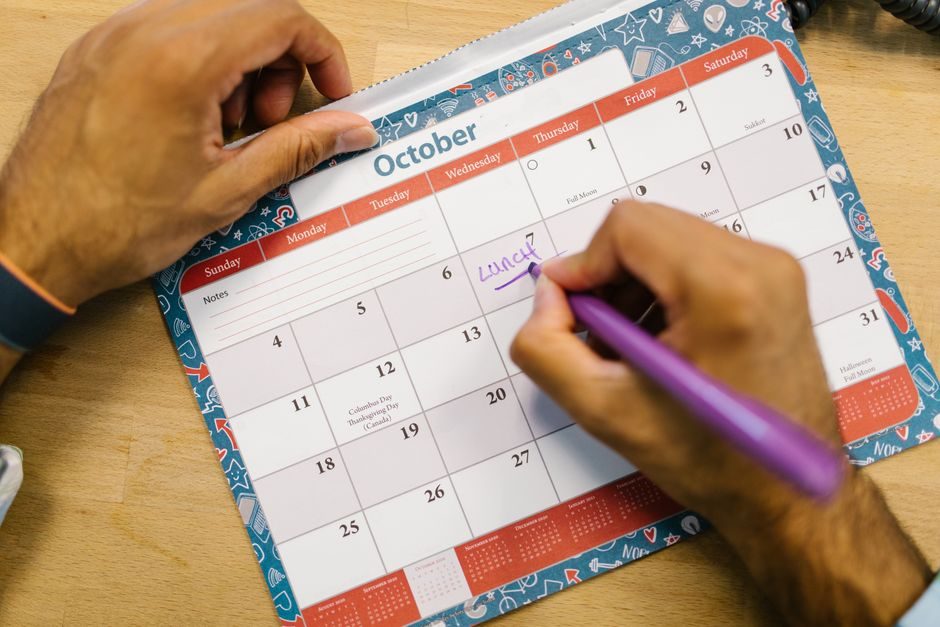
Read the calendar with purpose
A Basildon events calendar is useful for planning around city-wide activities or closures. Start by filtering for date, location, and type of event to avoid information overload. Use a calendar to distinguish routine happenings from unusual or high-impact events.
This approach saves time when scanning daily headlines and helps you compare what’s happening across days. It also clarifies whether news is about a single incident or a broader pattern, such as transport disruptions or community meetings. Treat it as a reference layer for context.
- Filter by date and area
- Differentiate single incidents vs patterns
- Cross-check with official notices
- Use calendar as a context tool
- Bookmark for quick reference
Basildon business listings insights
What listings reveal about local commerce
Business listings offer snapshots of Basildon’s commercial activity. Look for recent openings or closures and map them to broader economic signals like employment trends or consumer demand. This helps readers understand how headlines reflect everyday business life.
- Highlight key openings or closings
- Map concentrations of activity
- Cross-reference with local economic reports
- Record notable shifts in consumer demand
When a listing highlights a new shop or service, it often signals neighborhood vitality or shifts in foot traffic. Compare similar openings in nearby neighborhoods to see where opportunity is headed. Use listings to triangulate larger stories about local resilience.
To stay grounded, verify the listing against a local business registry or council notices, and note if closures cluster around a particular area or time period. This adds precision when reporting on Basildon’s economy.
- Identify new or closing businesses
- Note geographic clusters
- Cross-check with authorities
- Watch for patterns over weeks
- Use listings to contextualize headlines
Rooms and property to rent in Basildon

Evaluate rental market signals
Rental listings can signal housing demand and affordability in Basildon. Track changes in price ranges, availability, and length of listings to gauge market strength. Readers gain practical context for related headlines about housing and planning.
Compare current listings with past data to spot trends, such as rising rent bands or shorter listing durations. This helps readers interpret whether headlines point to a local squeeze or temporary fluctuations.
As a rule, verify listings with multiple sources, and note any caveats like landlord restrictions or local policy changes. This makes housing news more reliable for readers.
- Watch price ranges
- Monitor listing duration
- Cross-check multiple sources
- Note policy or landlord factors
- Identify short-term vs long-term trends
Frequently asked questions
How should I treat headlines about Basildon when information is scarce?In limited-information cases, prioritize official statements and verifiable facts. Do not speculate about causes or outcomes. Summarize what is known, and clearly label uncertainties to help readers assess risk and credibility.
What counts as trustworthy for Basildon headlines?Trustworthy coverage relies on multiple independent sources, clear sourcing, and direct statements from authorities or institutions. If a claim lacks corroboration, present it as a developing story and avoid presenting it as confirmed.
How can I verify a Basildon event’s location quickly?Cross-check the venue address with official event pages, mayoral communications, or council notices. If there is a public safety advisory, verify whether it lists a nearby landmark or street name to avoid confusion.
What should readers do after encountering a Basildon breaking story?Readers should seek a follow-up update from reliable outlets and consider the practicality of any safety instructions. Bookmark the story for later updates and avoid sharing unverified details with others.
Next steps for Basildon readers
Basildon readers benefit from a steady habit of checking official sources alongside headlines to separate fact from rumor. The more you cross-check, the clearer the local picture becomes for decisions about travel, work, and community events.
If you want to stay informed, set a routine to review the Basildon headlines and related listings weekly. Pair breaking news with a quick scan of calendars and business notices to catch emerging patterns early. This approach helps you respond more calmly to rapid changes in the city.

Add Blogging News as a preferred source on Google


