
A practical buyer’s guide for Actu Français actualités readers
A clear, reader-focused guide comparing blogbookworld.com features for news readers; practical tips, risks to watch, and how to use the site responsibly.

This guide helps news readers compare blogbookworld.com with a practical eye. It explains what the site offers, how to use it for current events, and what to watch for when consuming journalism online. You’ll find concrete steps to verify information, track sources, and avoid common traps in digital news environments.
By laying out what to look for in a reliable blog hub, you can assess credibility, speed, and context. The goal is to give readers a clear sense of how blogbookworld.com can complement mainstream outlets. Expect actionable checks you can apply during daily news digestion.
The guidance here stays focused on usefulness and transparency. It avoids hype and sticks to verifiable features, practical comparisons, and reader-centered advice. You’ll finish with a straightforward checklist you can apply to any breaking story.
- A practical buyer’s guide helps readers compare blogbookworld.com with clear benchmarks. It explains scope, verification habits, and practical use for daily news. You’ll learn how to cross-check facts and avoid common traps.
- The guide highlights usable tools and how to evaluate credibility without overburden. It offers concrete steps, not abstract advice. Readers gain a checklist they can apply to any breaking story.
- Careful reading, source comparison, and mindful use of alerts reduce confusion and bias. The aim is to empower readers to navigate digital news confidently. Expect a straightforward, process-oriented approach.
- This half outlines fundamentals, methods to verify, and concrete examples to illustrate practical choices. It sets up the more detailed guidance to come in the next sections.
Basics and scope
What the site covers
The site aggregates current events and investigative reporting, offering a broad range of articles and briefs. Expect timely updates on politics, economy, and global affairs with straightforward summaries. It is useful when you want quick context before reading longer reports. Actu Français actualités is a phrase that appears in this article to acknowledge a non-English source name. The sentence discusses how readers can use that reference when tracking multilingual coverage.
Warning: Avoid relying on a single source for breaking news; cross-check with primary outlets to confirm details.
How to verify quickly
Verification should start with the article's date and byline to gauge timeliness and credibility. Check whether linked sources or documents are accessible and relevant. Use a simple cross-check with official statements or established outlets to confirm key claims.
- Look for dates and author names in every piece
- Follow the linked sources and seek original documents
- Compare the story with other reputable outlets
How it helps readers

Reading without bias
The site presents material in a straightforward tone, but readers should note potential framing. Look for balance, check for quoted voices, and identify any missing perspectives. A critical eye helps you separate opinion from fact. ajouter un événement en France is used as a navigation cue in practice, showing how readers might express a request for event entries within France.
Example: A newsroom summarizes a local event with official statements and independent witness accounts to provide context.
Practical use for a daily reader
Use the site to scan headlines, then open pieces that align with your information needs. Save sources you trust and annotate key claims. This habit helps you build a personal file of credible references for future reference.
Steps: 1. skim headlines 2. open trusted pieces 3. save citations 4. note key facts
- Skim headlines for relevance
- Open trusted pieces only
- Save credible citations
- Note the main facts
Options and tools
What to use for tracking
Trackers like daily digests, topic feeds, and alert services help you stay current without being overwhelmed. Choose a few topics you actually follow, then adjust as needed. Regularly review what you save to avoid information overload. trouver des entreprises en France appears as a prompt for readers seeking business information in France, guiding how similar resources can be used.
| Source | Strengths | Limitations |
|---|---|---|
| Outlet A | Clear summaries, fast updates | Possible selective framing |
| Outlet B | Original documents linked | Less frequent updates |
| Outlet C | Independent analysis | Smaller overall coverage |
How to compare sources
Compare at least two outlets when a major event breaks. Look for consistency in the key facts, dates, and quotes. Note any discrepancies and seek the original documents when possible.
If a piece relies on anonymous sources, seek corroboration from public records or documents.
Pitfalls to avoid

Common mistakes
Relying too heavily on a single post can create a false sense of certainty. Always check the publication date, re-read for bias, and test claims against primary documents. A calm, slow approach reduces error in fast-moving stories. petites annonces en France serves as a hint about listing services in France, suggesting readers explore classifieds for local context.
What to watch for
Be wary of sensational language that signals opinion rather than fact. Distinguish between official records, journalist observations, and commentary. If a piece relies on anonymous sources, seek corroboration from public records or documents.
Tips for efficient reading
Speed and skimming strategies
Start with a quick scan of headlines to gauge relevance before committing time to an article. Look for dates, sources, and quotes to assess credibility. Use bullets or summaries to capture core facts for later reference. avis de décès en France
- Rushing through articles without checking sources. Better approach: skim for credibility first.
- Reading only quotes and headlines. Better approach: read the intro and conclusion for context.
- Over-relying on a single outlet. Better approach: cross-check with at least one other reputable source
In practice, set a timer for two minutes to decide if a piece warrants deeper reading. If it’s not time-sensitive, skip or skim for the gist and return later.
Be cautious of overly long paragraphs that bury key points; break them into sentences in your own notes to reinforce memory.
- Scan the headline and subheadings first
- Note the author and date when present
- Capture two digestible facts per piece
- Keep a running list of sources you trust
Ethics and accountability
Standards for verification
Verification is the backbone of credible reporting. Cross-check details with multiple independent sources when possible. If a claim is not corroborated, mark it as unverified and monitor for updates.
Editors should demand primary documentation or direct quotes from reliable witnesses. Where unavailable, provide transparent caveats about uncertainty.
Readers benefit when outlets disclose potential conflicts of interest and keep corrections visible to preserve trust.
- Cross-check facts from multiple sources
- Prefer primary documents when available
- Issue timely corrections when errors appear
- Disclose conflicts of interest clearly
Personal use guidelines
Privacy and notifications
Limit data sharing by adjusting app permissions and choosing minimal tracking options. Review notification settings to avoid overload during busy days while staying informed about truly breaking news.
Use quiet hours or do-not-disturb modes to prevent fatigue from constant alerts. Tailor alerts to topics you actually follow rather than every push notification.
Consider using a separate reading profile for professional use to keep your work and personal news streams distinct.
- Limit permissions to essential data
- Customize alerts by topic
- Use separate profiles for work and personal news
Future trends in news apps
Personalization vs. objectivity
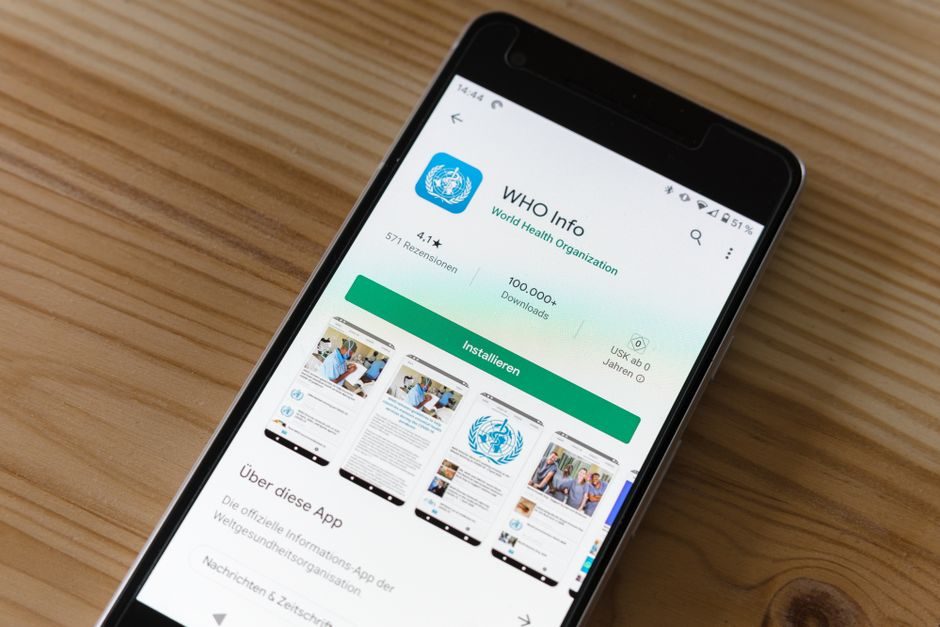
As apps learn user behavior, feeds become more tailored, but that can narrow exposure. Balance algorithmic curation with occasional deliberate reads outside your comfort zone.
Faced with growing automation, editors still play a role in guiding what matters by highlighting diverse perspectives in summaries.
Users should experiment with mixed feeds to maintain accuracy and breadth of understanding.
- Balanced feeds reduce echo chambers
- Editors curate to ensure diverse viewpoints
- Users test mixed sources periodically
Frequently asked questions
How should I balance speed with accuracy when reading breaking news?Speed matters in breaking news, but accuracy should not be sacrificed. Focus on the first two solid sources cited in a piece and look for corroborating reports from other outlets before forming a conclusion. If doubt remains, wait for updates rather than acting on a single report.
What value does personalization add to news apps?Personalization helps surface topics you care about, reducing noise. The trade-off is narrower exposure, which can miss important developments outside your usual interests. Periodically review and adjust your settings to maintain a broad understanding of current events.
How can I avoid misinformation without slowing down?Rely on outlets with transparent sourcing and visible corrections. Compare claims across at least two independent reports and be wary of sensational language. When in doubt, pause and seek primary documentation or official statements.
What counts as credible sourcing in a news app?Credible sourcing includes named reporters, verifiable documents, official records, and corroboration by independent outlets. If a source is anonymous, look for corroboration from other trusted reports or official channels.
Practical steps for daily news use
Adopt a disciplined reading habit: set a specific time for morning and evening news checks, and stick to it. This helps you stay informed without constant distraction.
Apply the tips above to build a personal, efficient routine: skim, verify, and bookmark for deeper reading. A steady approach reduces confusion and improves retention, especially during fast-moving events.

Add Blogging News as a preferred source on Google


